Fiscal policy & growth
Macro-structural modeling for policy analysis: how tax, spending, and investment choices translate into growth, employment, and debt sustainability at the country level.
Washington, D.C. — The World Bank · last updated Aug 2026
Senior Economist, Fiscal Policy & Growth
I am a macroeconomist. I build the models that help governments in developing economies navigate growth, fiscal policy, and shocks — from commodity cycles and natural disasters to the structural transformations reshaping their development pathways. A decade of macro-modeling for countries across the world.

I am a Senior Economist in the Fiscal Policy and Growth unit of the World Bank, working with the Bank's macro-structural model (MFMod) to analyze how policy choices play out in growth, employment, public debt, and the balance of payments. Much of my work is about resilience: how economies absorb shocks — natural disasters, commodity-price swings, global crises — and what fiscal and structural policy can do to prepare for them. The other side is structural transformation: how sectors shift as economies develop and pursue environmental and climate goals, and what those transitions mean for growth and public finances.
I joined the World Bank in its Climate Change Group, as an Economist and then Senior Economist. My recent work brings natural disasters, adaptation options, and transition pathways into the Bank's country macro-frameworks — including the analysis behind several Country Climate and Development Reports. Before the Bank, I was an economist at the Agence Française de Développement (AFD) in Paris, in the research department's GEMMES modeling program, where I led country modeling programs.
I hold a PhD in Applied Mathematics from Université Paris 1 Panthéon-Sorbonne (Energy and Money in New Frameworks for Macro-dynamics), along with an MSc in mathematical methods for economics and finance and a BSc in applied mathematics from the same university. I remain an associate researcher of the Energy and Prosperity academic committee.
My research runs on two tracks that feed each other. The applied track builds and uses country-level macro-frameworks — macro-structural, input-output — to answer policy questions: how to keep debt sustainable through a commodity cycle, what a disaster does to a decade of growth, how an economy industrializes while its energy system changes. The methodological track studies development paths under uncertainty: how shocks propagate through an economy, and how growth trajectories diverge or converge when the future is stochastic.
Macro-structural modeling for policy analysis: how tax, spending, and investment choices translate into growth, employment, and debt sustainability at the country level.
The macroeconomics of natural disasters, commodity-price volatility, and balance-of-payments stress — quantifying what resilience is worth so that resilient investment gets financed.
How economies industrialize, formalize, and shift their sectoral and energy base — for development, environmental, or climate goals — and how to finance those transitions.
Damages, adaptation, and the transition to net zero treated as macroeconomic questions — one set of shocks and investments among the others a finance ministry must weigh.
South Sudan — country economic analysisWorld Bank report
Economic Analysis and Modeling Tools to Assist Ministries of Financepolicy report
Decarbonization investment strategies in an uncertain climatejournal article
The macroeconomic implications of climate change impacts and adaptation optionsworking paper
Bhutan — Country Climate and Development ReportWorld Bank report
Modeling the macroeconomic consequences of natural disastersjournal article
The Green Frontier — the macroeconomics of the transition to net zerobook chapter
Tunisia — Country Climate and Development ReportWorld Bank report
Côte d'Ivoire — Country Climate and Development ReportWorld Bank report
“Can macroeconomics face a climate in crisis?” — discussantpanel
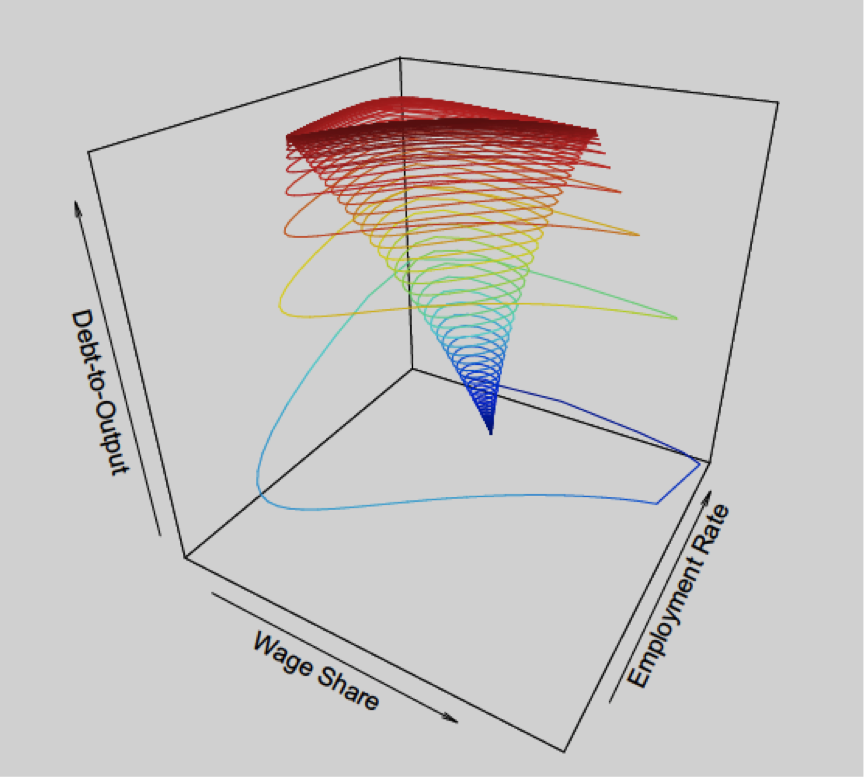
The macroeconomic implications of climate change impacts and adaptation options
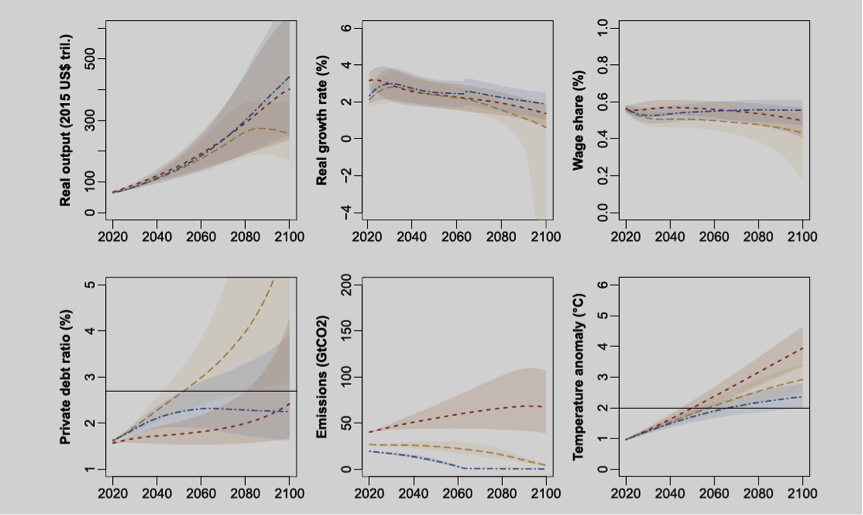
How delayed learning about climate uncertainty impacts decarbonization investment strategies
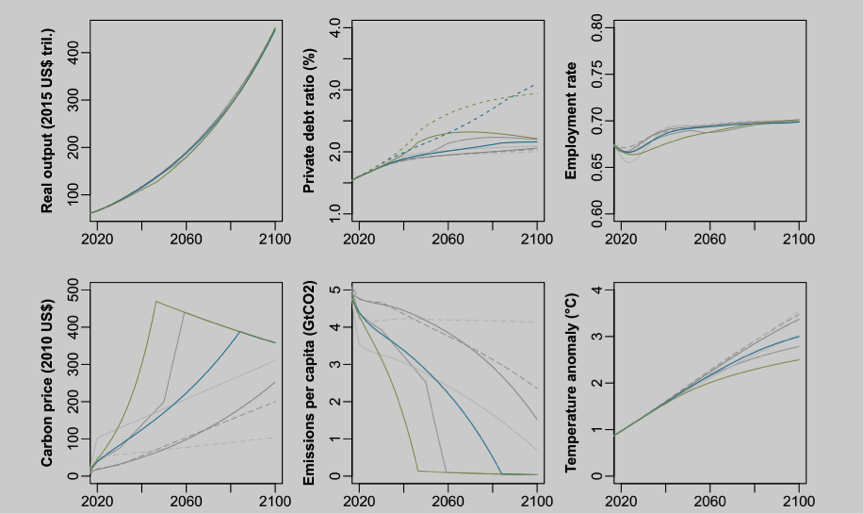
Macroeconomic implications of a transition to net-zero emissions
La dette publique française justifie-t-elle l'austérité budgétaire ?
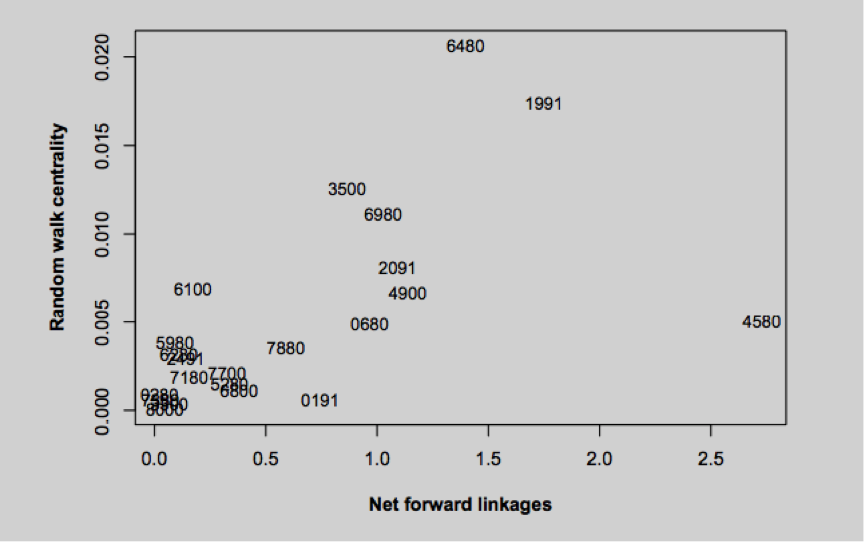
An augmented net oil price
Influence of weather variability on orange juice prices
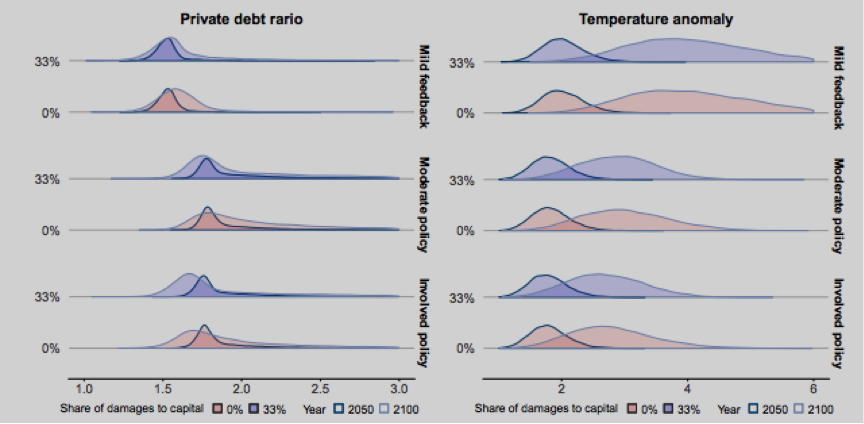
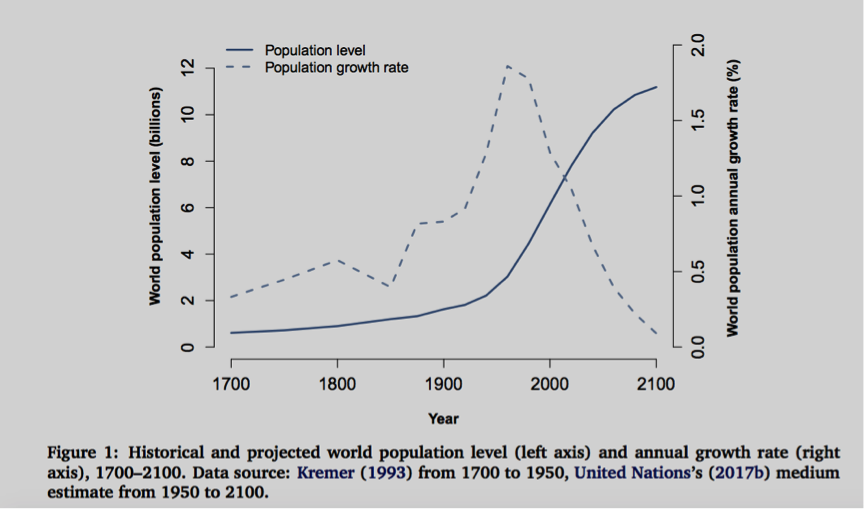
Full record on Google Scholar and ResearchGate; PhD thesis available here.
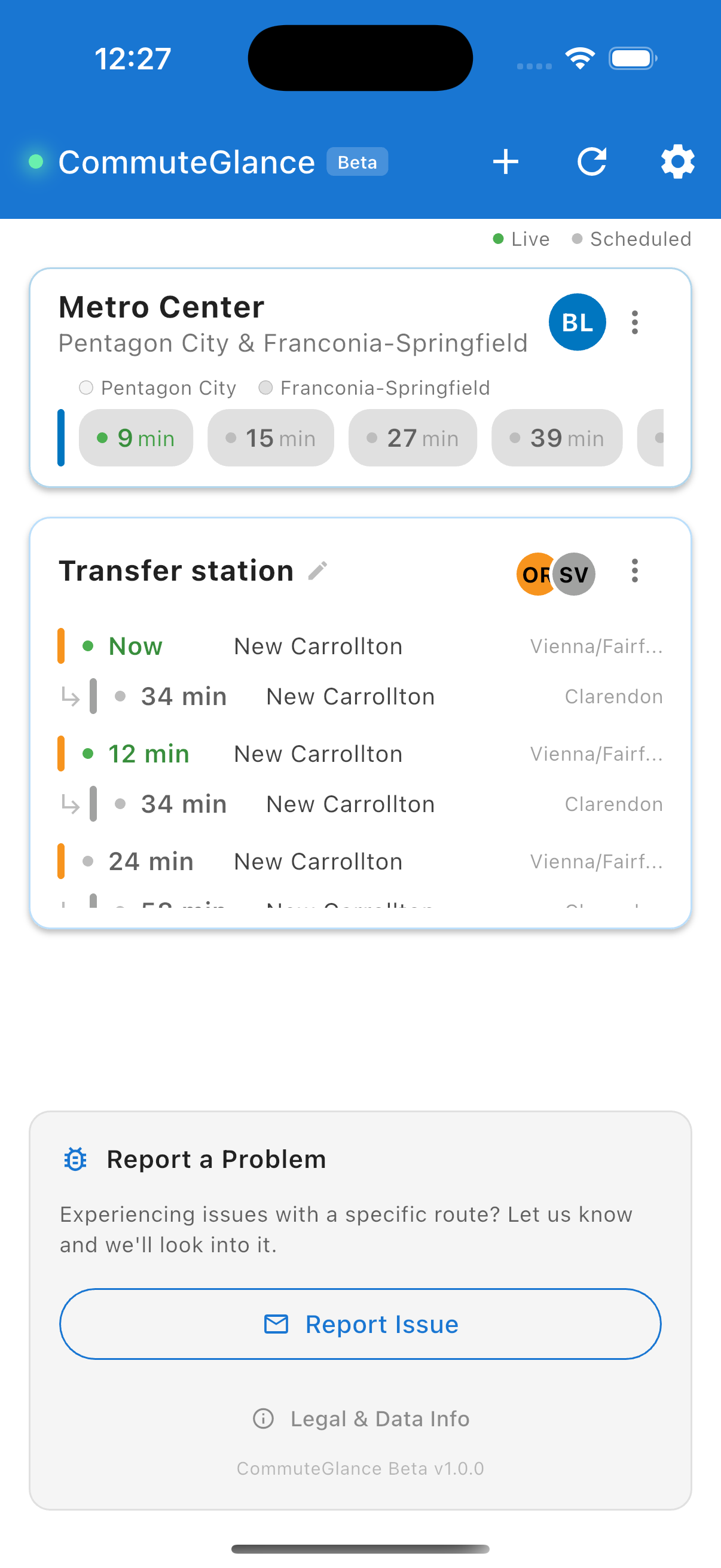
Away from the models, I build software. CommuteGlance is a transit app for the Washington, D.C. area that I developed: your daily commute, at a glance.
It shows live departure predictions — refreshed every 30 seconds — from WMATA and the region's other agencies (Metro, Metrobus, VRE, MARC, Fairfax Connector, ART, DASH, and more), finds the stations and stops around you, and caches schedules so it still works underground or offline.
It is also privacy-first, the way I think consumer software should be: everything stays on the device, location access is optional, and there are no analytics or tracking SDKs. Free on iOS and Android.
September 2018
November 2018
May 2018
For research collaboration, policy work, speaking, or press — LinkedIn is the preferred way to reach me.
Éditeur. Florent McIsaac — site personnel, non commercial. Contact : florent.mcisaac@gmail.com.
Hébergeur. Agence des Médias Numériques (AMEN) SASU, 200 rue de la Croix Nivert, 75015 Paris, France — tél. 01 70 99 53 41.
Données personnelles & cookies. Ce site ne dépose aucun cookie, n'utilise ni outil de mesure d'audience ni traceur, et ne collecte aucune donnée personnelle. Les polices de caractères sont hébergées localement : aucune ressource tierce n'est chargée. L'hébergeur peut conserver des journaux de connexion à des fins techniques et légales. Pour toute question relative à vos données (RGPD) : florent.mcisaac@gmail.com.
Propriété intellectuelle. Contenus © Florent McIsaac, sauf mention contraire.